x86 is so 🔥
Yesterday, a bunch of new Windows laptops were announced from various vendors. The gist is that all these laptops will finally be equipped… with Arm❄️ chips, specifically Qualcomm’s Snapdragon Elite processors, rather than x86🔥 chips from Intel or AMD. What is the implication to PC industry going forward?
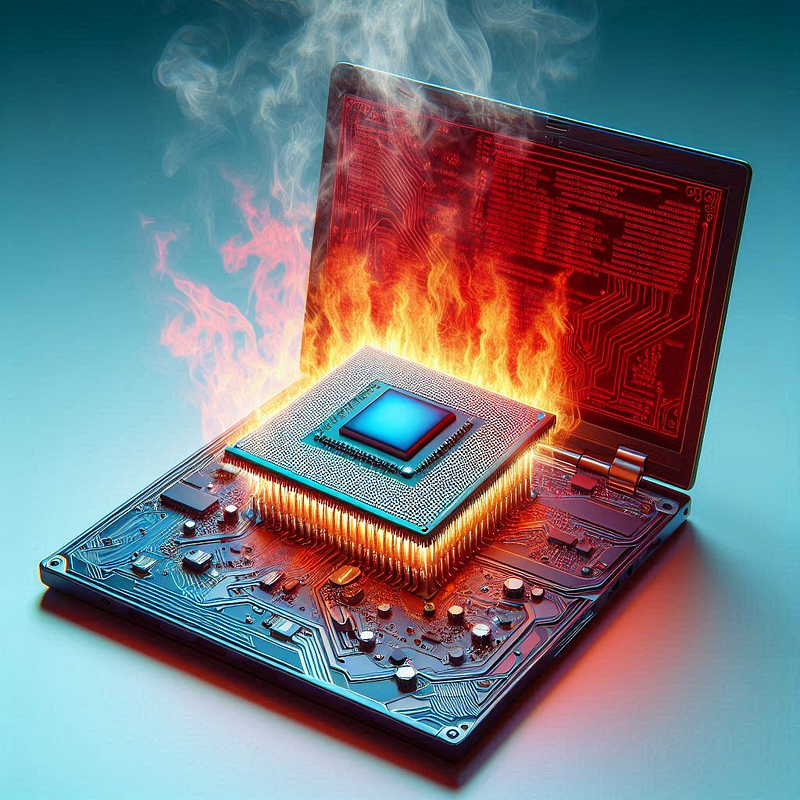
Ever since Apple released its M1 series MacBooks back in 2020, not a single laptop could match the raw performance, power efficiency, and battery life of Apple Silicon equipped MacBooks. Both Intel and AMD CPUs drew significantly more power compared to Apple M series chips, resulting in hot (as in 🔥), thermal-throttled, battery-draining laptops. Starting yesterday (actually June 18), everything is to change. Multiple vendors, including Microsoft, Samsung, Asus, HP, Lenovo have announced new laptops with Qualcomm’s Snapdragon Elite chips based on Arm❄️ architecture to be released on June 18.
I am super excited to see this coming, as Windows PCs can finally compete with Apple MacBooks. If the Qualcomm’s new chips are as good as they are advertised, I have no doubt that x86🔥 laptops will be extinct in a 10 years. In fact, I imagine x86🔥 chips will slowly lose its market share to Arm❄️ and RISC-V architectures in years to come in desktop and server market as well. Why? Because Arm❄️ chips can achive what x86🔥 can do with half of the power. When you build a datacenter with hundreds of thousands of these chips, the energy efficiency becomes the highest priority — you save a ton in energy bill for powering the chips as well as cooling the chips.
I don’t mean to say that Intel and AMD cannot innovate. In fact, they have done an incredible job improving its power efficiency from the predecessors, especially with the 14th gen for Intel and Ryzen 7x4x-series for AMD. However, none of the x86🔥 chips can compete with Arm❄️ chips at the moment, and this makes me wonder if there is inherent disadvantage of x86🔥 over Arm❄️ when it comes to power efficiency.
According to the legendary chip architect Jim Keller, this could be partly due to too many junk instructions added on top of the original instruction set.
80% of core execution is only six instructions — you know, load, store, add, subtract, compare and branch.
He argues that Arm❄️ instruction set architecture (ISA) is relatively cleaner than x86🔥, while RISC-V is the newest shiny ISA. This would make it much easier to design and optimize RISC-V architecture compared to the older cousins. Who knows. In 20 years, RISC-V may take over Arm❄️.
In any case, I can’t wait to get my hands on the new Qualcomm Snapdragon Elite powered laptops. They are supposed to be so much more power-efficient compared to Intel’s processors. According to the leaked documents from Dell, there is whopping 98% battery life increase from Intel x86🔥 to Qualcomm’s Arm❄️ chip — albeit this is not a fair comparison, as the Arm❄️ version is equipped with QHD screen while the x86🔥 version is equipped with the more power-hungry UHD screen.
The winner and the loser
Obviously, Qualcomm will benefit the most from their shiny new chips, as they replace Intel/AMD chips. However, I also believe Microsoft will benefit a lot too, as they Windows laptops can finally compete with MacBooks. On the other hand, Intel and AMD may be in big trouble in the long-run. Losing market share in the PC sector is one thing, but if they start to lose server market as well, they will be in a deep deep trouble.
Personally, I believe Intel needs to prepare to completely ditch x86🔥 chips and start working on Arm❄️ and/or RISC-V chips. They also need to grow their foundry business to compete with TSMC or Samsung. The same goes to AMD for ditching x86🔥, in addition to focusing on their GPUs to challenge Nvidia for AI applications.
Don’t get me wrong. The x86🔥 chips won’t disappear immediately, but I bet I won’t be able to find x86🔥 laptops in 2034.